Ariadne — Service Operations Platform
What it solves
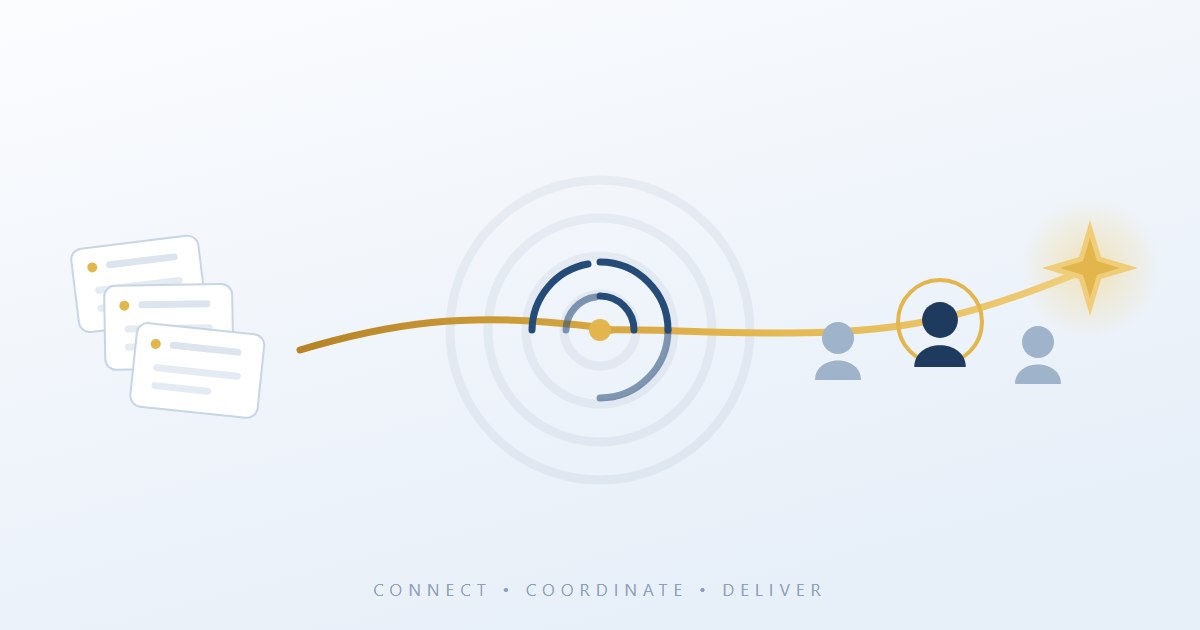
Many service businesses share one shape beneath different words: a request arrives, calls for particular skills, is matched to a specialist, and moves through a controlled workflow to completion — a museum booking a Spanish-speaking guide, a clinic assigning a cosmetologist, a training centre matching a trainer. Ariadne models that shape once (parties, specialists, skills and service cases) and lets each business keep its own vocabulary and its own searchable fields on top, added as real database columns through controlled migrations rather than a schemaless blob. The name carries the idea: Ariadne’s thread through the labyrinth of operations, from request to delivery, without losing visibility or control.
How it is built
The platform is a full multi-service system rather than a single application: a Spring Boot REST core, a separate Studio control-plane that generates reviewed schema migrations and remaps API endpoint names per deployment, a PostgreSQL schema owned by versioned Liquibase changelogs, a React workspace, and a React Native app for specialists in the field. Two capabilities reach past bookkeeping — a queue-management engine that ranks eligible, available specialists by workload and recommends who should take a case next, so assignments rotate fairly instead of piling onto the same person; and an analytics layer that turns operational history into demand and workload forecasting for staffing. The first working deployment is a museum tour-guide operation, where guides, languages and excursions map cleanly onto specialists, skills and service cases; the direction now is to lift that whole stack — dispatch and forecasting included — into the generic platform, so any service business inherits operations and intelligence rather than plain data entry.
Description
Ariadne is a configurable platform for service businesses that match skill-based requests to the right specialist and follow each case through to delivery. One core — parties, specialists, skills and service cases — adapts to a museum, a clinic or a training centre, each with its own vocabulary and fields.